Stepping into Arthur’s World
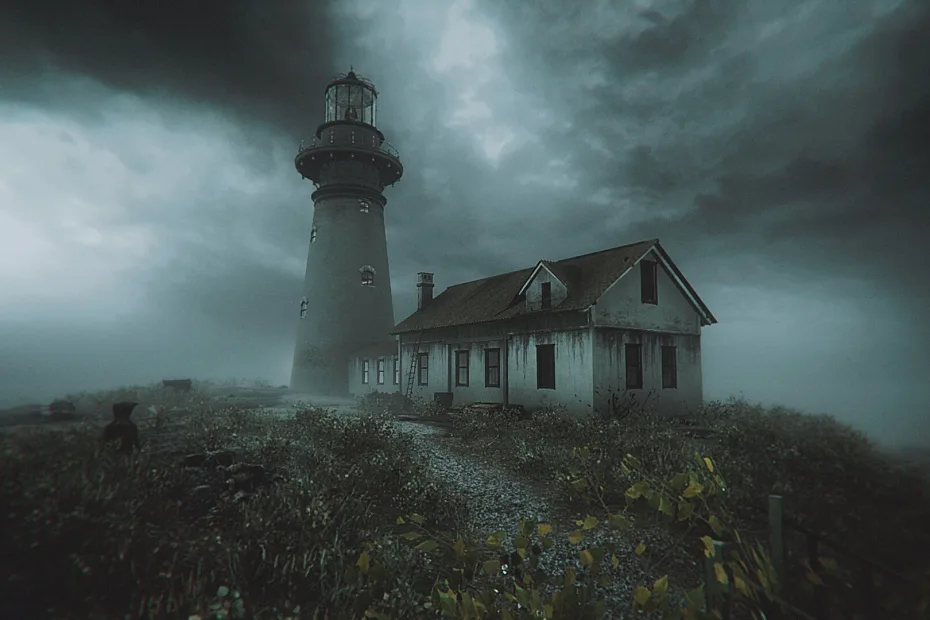
Entering the world of The Lightkeeper feels like walking into a fog that never lifts. Created by Darkphobia Studios, the game places players in the year 1925, following Arthur, a man scarred by the horrors of war who seeks solitude in the role of a lighthouse keeper. The promise of distance from his troubled past quickly reveals itself as an illusion. The island where the lighthouse stands is isolated, battered by restless seas and blanketed in an atmosphere that is heavy with unease.
The lighthouse, traditionally a beacon of safety, becomes a paradox. Its light may cut through the mist, but for Arthur it serves as a reminder of the shadows that haunt both the land and his mind. What begins as a search for peace steadily transforms into an encounter with forces that blur the lines between memory, imagination, and supernatural menace.
Atmosphere as the True Antagonist
The design of the island itself is central to the experience. Darkphobia Studios excels at turning environment into a living, breathing presence. The decaying buildings, the ceaseless howl of wind, and the damp, rolling fog create a place that feels hostile even when no direct threat is visible. Every pathway appears familiar at first, yet each step forward feels like a journey into deeper uncertainty.
Sound design reinforces this oppressive environment. Instead of musical scores guiding the mood, players hear the constant rhythm of waves striking the rocks, the faint toll of a foghorn, Arthur’s uncertain murmurs, and whispers that may or may not exist. The effect is unsettling because it feels authentic, not exaggerated. The player becomes immersed in the same fragility that Arthur experiences, questioning what is real and what is the product of his deteriorating psyche.
The Weight of Survival and Routine
The gameplay itself mirrors Arthur’s struggle. His tasks appear ordinary in nature: keeping the beacon lit, collecting supplies, managing oil, and ensuring the machinery functions. Yet the isolation of the island transforms these simple duties into tests of endurance. Striking a match or filling a lantern takes on a heightened sense of significance because every small action feels tied to survival.
Over time, routine becomes suffocating rather than comforting. The lighthouse demands attention while the environment grows increasingly hostile. Arthur’s sense of control weakens with each passing day, and players begin to realize that survival is not only about tending to physical needs but also about protecting the mind from collapse. The deeper one goes into the game, the clearer it becomes that isolation itself is a weapon.
A Narrative of Psychological Descent
The story of The Lightkeeper is not merely a tale of external horrors. It is a portrayal of the scars left behind by war and the fragility of the human mind when left alone with its memories. Arthur’s voice, his journals, and his fleeting recollections paint a portrait of a man who seeks healing but finds only reminders of the pain he carries.
The lighthouse contains secrets of its own. In a hidden basement Arthur uncovers traces of those who came before him. Each discovery adds to the weight of the story, suggesting that the island itself has consumed many who tried to endure its silence. The uncertainty of whether Arthur is witnessing true supernatural events or hallucinations born of trauma keeps both him and the player suspended in a constant state of doubt.
Choices, Consequences, and Interpretation
The game offers branching paths that reflect how Arthur responds to his situation. His choices can lead him toward confrontation with his fears, surrender to despair, or attempts at escape. Each of these outcomes reveals a different facet of his struggle.
What makes these endings powerful is not simply the variety of outcomes but the questions they raise. Can fear ever be conquered without facing it directly? Does escape provide freedom, or does it simply postpone the inevitable return of trauma? Can surrender ever be seen as peace? The narrative refuses to provide a single answer, ensuring that the story remains with the player long after it ends.
Fear as Reflection, Not Spectacle
The Lightkeeper distinguishes itself from traditional horror games by focusing on psychological realism. Instead of relying on sudden shocks or monstrous figures, it builds dread through the erosion of Arthur’s mind. His drinking, his fragmented thoughts, and his struggles to maintain control over daily tasks resonate more deeply than any fleeting jump scare could.
The island’s mysterious presence is both a literal threat and a reflection of Arthur’s internal torment. By presenting the supernatural as inseparable from the psychological, the game forces players to question whether the true darkness lies within the lighthouse or within Arthur himself.
Visual and Emotional Immersion
The visuals contribute significantly to the immersion. The game embraces realism, rendering rusted doors, damp stone walls, and flickering lights with painstaking detail. Fog and shifting weather patterns create a sense of instability, and the environment seems to close in as Arthur’s paranoia deepens. The world feels alive, but not in a way that offers comfort.
Cinematic cutscenes further pull players into Arthur’s turmoil. His expressions reveal hesitation, despair, and fleeting moments of resolve. These human touches make Arthur more than a character to control; they transform him into someone with whom players can empathize, someone whose survival feels personal.
Why The Lightkeeper Stands Apart?
At its heart, The Lightkeeper is more than a horror game. It is a meditation on loneliness, trauma, and the enduring question of whether we can ever truly escape our past. By blending atmosphere, narrative, and psychological depth, Darkphobia Studios has created an experience that resonates far beyond the moments of fear it delivers.
The lighthouse, usually a symbol of guidance and safety, becomes instead a reminder of vulnerability. Arthur’s journey is not defined by victory or defeat but by endurance in the face of forces both external and internal. For players who seek horror that lingers long after the screen goes dark, The Lightkeeper offers an experience unlike any other.