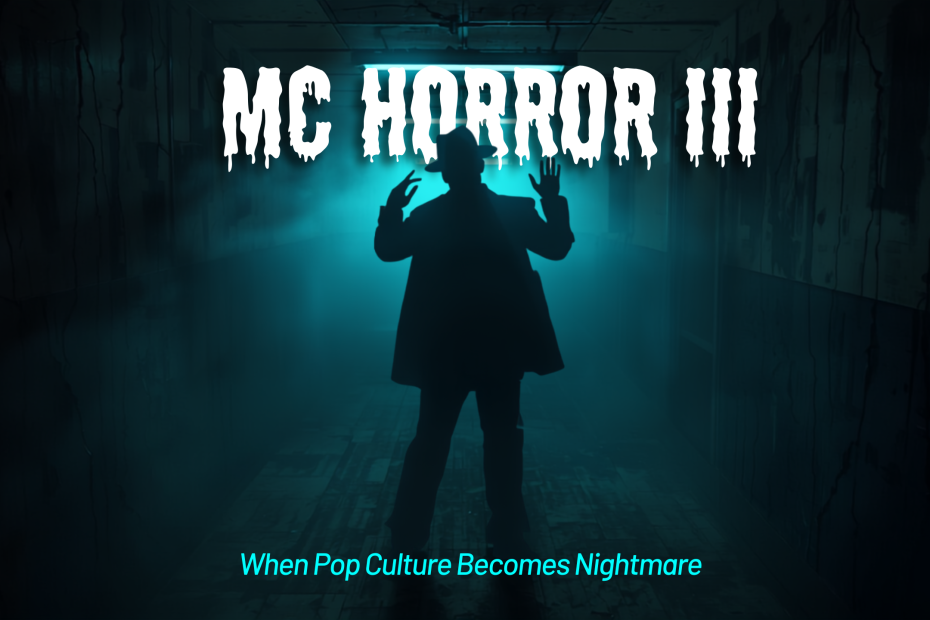
When Pop Culture and Horror Unexpectedly Collide
Horror games have always drawn inspiration from unexpected places. Some take ideas from urban legends, others from internet folklore, and a few from cultural icons whose larger than life presence already feels almost mythical. Mc Horror III belongs to that unusual category as part of Fortnite.
Rather than presenting a traditional horror story filled with monsters and haunted locations, the game builds its atmosphere around distorted celebrity imagery, psychological tension, and an overwhelming sense of unease. Its connection to Michael Jackson is not based on celebrating the performer directly, but on reimagining familiar visual references in a way that feels strange, surreal, and unsettling.
This unusual concept helped the game gain attention among horror fans looking for something different from conventional jump scare experiences.
Why the Game Stood Out?
One reason Mc Horror III developed a cult following was its ability to create fear through familiarity. Players immediately recognize elements that seem connected to popular culture, yet everything feels slightly altered and distorted.
The game uses atmosphere more than action. Empty hallways, strange sounds, and unpredictable encounters create tension that slowly builds over time. Instead of relying entirely on loud scares, it focuses on making players feel uncomfortable through uncertainty.
That approach gives the experience a unique identity. Players are not simply reacting to monsters appearing on screen. They are constantly questioning what they are seeing and what might happen next.
The Influence of Internet Horror Culture
The rise of internet horror played a major role in shaping games like Mc Horror III. Over the years, online communities have transformed familiar images, memes, and public figures into strange horror stories and urban legends.
The game embraces that tradition. It feels less like a mainstream horror title and more like an interactive internet nightmare. The experience captures the same energy that made many early creepypasta stories so memorable. Familiar subjects are presented in unfamiliar ways, creating a sense of discomfort that lingers even after the game ends.
This connection to internet culture helped the game spread rapidly through videos, livestreams, and online discussions.
Looking at the Game Through a Modern Lens
The recent release of a biography centered on Michael Jackson has encouraged many people to revisit different aspects of his cultural influence. While most conversations naturally focus on music and performance, projects like Mc Horror III demonstrate how deeply his image became embedded within global popular culture.
Few entertainers have inspired such a wide range of creative interpretations across different forms of media. Music, documentaries, games, internet stories, and fan communities have all drawn from the larger than life presence that surrounded Jackson throughout his career.
Viewed today, Mc Horror III feels less like a simple horror game and more like an example of how modern internet culture transforms public figures into entirely new forms of storytelling.
Atmosphere Over Action
Unlike many modern horror games that emphasize combat or survival mechanics, Mc Horror III focuses primarily on atmosphere. The game encourages players to explore carefully, pay attention to environmental details, and absorb the tension created by its world.
Dark environments, distorted audio, and unpredictable events combine to create an experience that feels psychological rather than purely action driven. The fear comes from not knowing what is waiting around the next corner.
This slower approach has helped the game remain memorable for players who appreciate horror that relies on mood and suspense rather than constant intensity.
Why Cult Horror Games Continue to Matter
Games like Mc Horror III often survive because they offer something mainstream releases cannot. They experiment with unusual ideas and embrace creative risks that larger projects may avoid.
Even years after release, these games continue to be discussed because of the emotions they create. Players remember how strange they felt, how unexpected certain moments were, and how different the overall experience seemed compared to traditional horror titles.
The game’s lasting appeal comes from its uniqueness. It does not try to imitate popular horror formulas. Instead, it builds its identity around surreal concepts and psychological discomfort.
Final Thoughts
The renewed attention surrounding Michael Jackson has led many fans to revisit not only his music and performances but also the unusual cultural works inspired by his legacy. Mc Horror III remains one of the more fascinating examples of how horror games can draw from familiar cultural imagery and transform it into something entirely different.
Whether viewed as a cult horror experience, an internet era curiosity, or a creative experiment influenced by pop culture, the game continues to stand out because it refuses to feel ordinary. It reminds players that some of the most memorable horror experiences come not from what is